

What sake should you order with your sushi?
Choose sake by matching its weight to the sushi in front of you. Light, clean fish wants a lighter style; richer fish, mayo, sesame, chilli or sweet sauce need more body. We use that rule because it keeps the fish, rice and seasoning in balance.
That sounds simple because it is meant to be used at the table. You might know you like sushi and have no wish to show expertise over a sake list. Fair enough. A good match should make the bite taste cleaner and more complete.
Sake is a Japanese alcoholic drink made from rice. For sushi, the useful words on a menu are usually dry, light, fruity, full, junmai and ginjo. You do not need a lecture on any of them. You need to know what they do with fish, rice, fat and sauce.
In Mayfair, many meals are shared across the table. One person orders salmon, another wants prawn, and someone adds a spicy roll because it looks too good to leave. The trick is to choose the sake for the plates that will lead the meal.
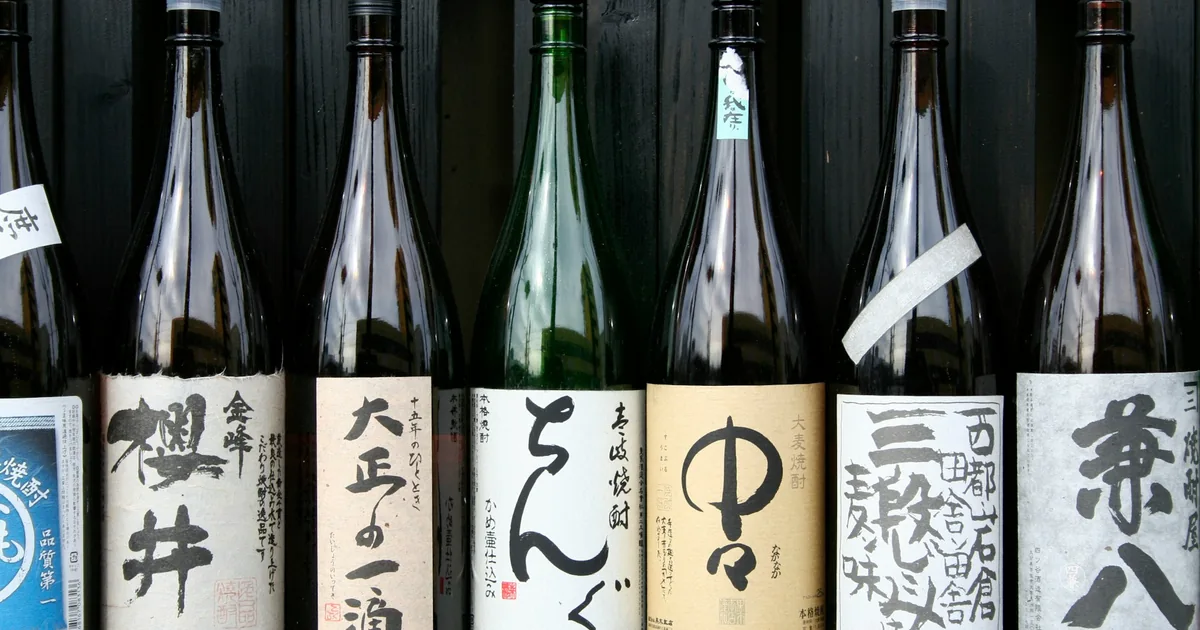
Japanese sake bottles display - unsplash
Sake weight sets the pairing
You know the moment. Sushi has been chosen, the table is still talking, and the sake list lands with a set of words that sound useful but slightly abstract. We start by looking at the food, because the plate tells you more than the label.
The useful match is weight and flavour, not sake prestige. Clean white fish, cucumber, avocado and plain sashimi sit on the lighter side. Salmon, richer tuna, fried prawn, mayo, sesame, chilli and sweet sauce all add more weight.
A simple sake pairing rule does most of the work: keep light sushi with lighter sake, and give richer sushi a sake with more body. That is the safest way to stop the drink flattening the fish or making the sauce feel heavy.
Once you can name the strongest flavour on the table, the rest of this sushi sake pairing guide becomes much easier to use.
Sushi styles need clear matches
The same sake behaves differently with sashimi, salmon, prawn and sauced rolls. We match the drink to the flavour that lingers longest after the bite.
The table below compares sushi styles on the table with the sake direction that suits them.
| Sushi on the table | Sake direction |
|---|---|
| Sashimi, clean white fish, cucumber or avocado maki | Light, subtle sake with little fragrance |
| Salmon, tuna, richer nigiri or sashimi | Fuller, rounder sake with more body |
| Prawn, shellfish, fried prawn or tobiko rolls | Crisp dry sake that keeps the finish clean |
| Eel, unagi sauce, mayo or sesame rolls | Rounder sake that can carry sweetness and umami |
| Spicy tuna or chilli rolls | Clean sake with enough body to soften heat |
Clean fish and light sake make sense because neither side has to shout. Richer fish such as salmon needs a little more body, as the fat in the fish gives the sake more to carry. Prawn, shellfish and tobiko bring salt and snap, so a dry finish works well.
Mixed orders need a main direction. If half the table is eating sashimi and cucumber maki, keep the sake light. If the order leans into salmon, prawn, mayo or eel sauce, choose something with a broader feel.

From the kitchen: Ask for the sake by style and serving size together, then note both on the bill or in your phone. That makes it easier to repeat the same match next time.
Head Chef
TITU, Mayfair
Sauce and spice change the answer
A real table rarely orders one plain fish course and stops there. Someone picks a prawn roll, someone wants avocado, and the next plate has mayo, sesame or unagi sauce running through it.
We see this most clearly at TITU in rolls built with avocado, spring onion, cucumber, mayo, toasted sesame seeds, tobiko and unagi sauce. Those ingredients change the match. Mayo adds creaminess, sesame brings toast, tobiko gives salt and pop, and unagi sauce adds sweetness.
Vegetarian sushi deserves the same care. Cucumber maki likes a light, clean sake. Avocado can take a softer style because it has more creaminess. Sesame pushes the pairing a little rounder, especially when several rolls are being shared.
Spice changes the finish of the drink. With a spicy tuna roll or chilli-led plate, we look for sake that keeps the mouth fresh and has enough body to calm the heat. Sauce and topping matter as much as the fish name on the menu.
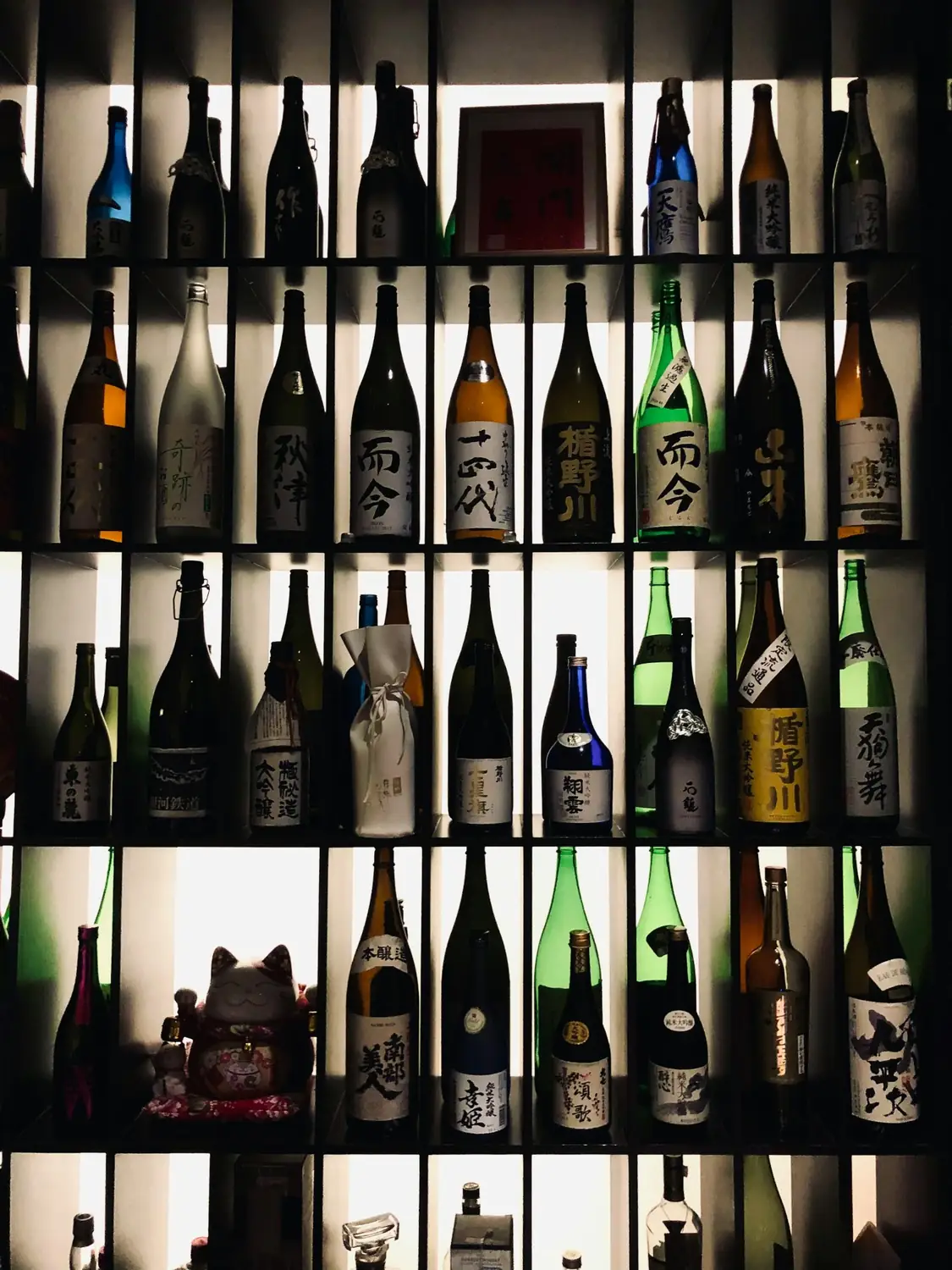
Japanese sake bottle collection - unsplash
Temperature follows the sake style
Should sake with sushi be hot or cold? The answer comes from the sake style and the sushi beside it.
Fragrant ginjo styles work well chilled because cooler service keeps them fresh and precise. Junmai styles can sit happily at a less chilled temperature, and some suit gentle warming. Temperature changes how much aroma, body and softness you feel in the glass.
Clean sashimi, cucumber and delicate maki are usually happier with cool sake. Richer fish or sauced rolls can take a sake that feels a little fuller and softer. Start with the sushi, then let the temperature support that choice.
From the kitchen: If the table is sharing mixed rolls, start with the richest plate and choose the sake for that. A drink that can carry the strongest flavour usually stays useful across the rest of the order.
Head Chef
TITU, Mayfair
Short sake lists simplify ordering
A long drinks list can make a table hesitate. A shorter list can be easier, once you know what each sake is for. A short sake list makes the choice clearer, not smaller.
TITU's printed August 2026 menu in Shepherd Market, Mayfair lists two sakes, both available as a 175ml carafe or a 720ml bottle. That suits the way people order here: sushi, gyoza and small plates landing together, with the sake chosen for the table rather than one formal course.
Bunraku Jun Mai
Bunraku Jun Mai is the dry and sharp choice on the printed menu. We would put it with cleaner sushi, prawn, shellfish, tobiko and any roll where you want the finish to stay crisp.
That dryness also helps when the table has fried prawn or salty toppings. It cuts through the richer edge and leaves the next bite tasting clean.
Bijofu Jun Mai Gingo
Bijofu Jun Mai Gingo is listed as light and fruity. That makes it a good fit for cucumber, avocado, gentler fish and delicate rolls where the sake should feel fresh and easy.
The printed spelling is Jun Mai Gingo, so that is the menu item to look for. In general sake terms, ginjo points you toward a lighter, more fragrant style, which is useful when the sushi is clean or green rather than rich.
Once you know to check the table for clean fish, rich fish, sauce, spice and the sake description, the decision feels much less like guesswork. You are simply matching what is in front of you.
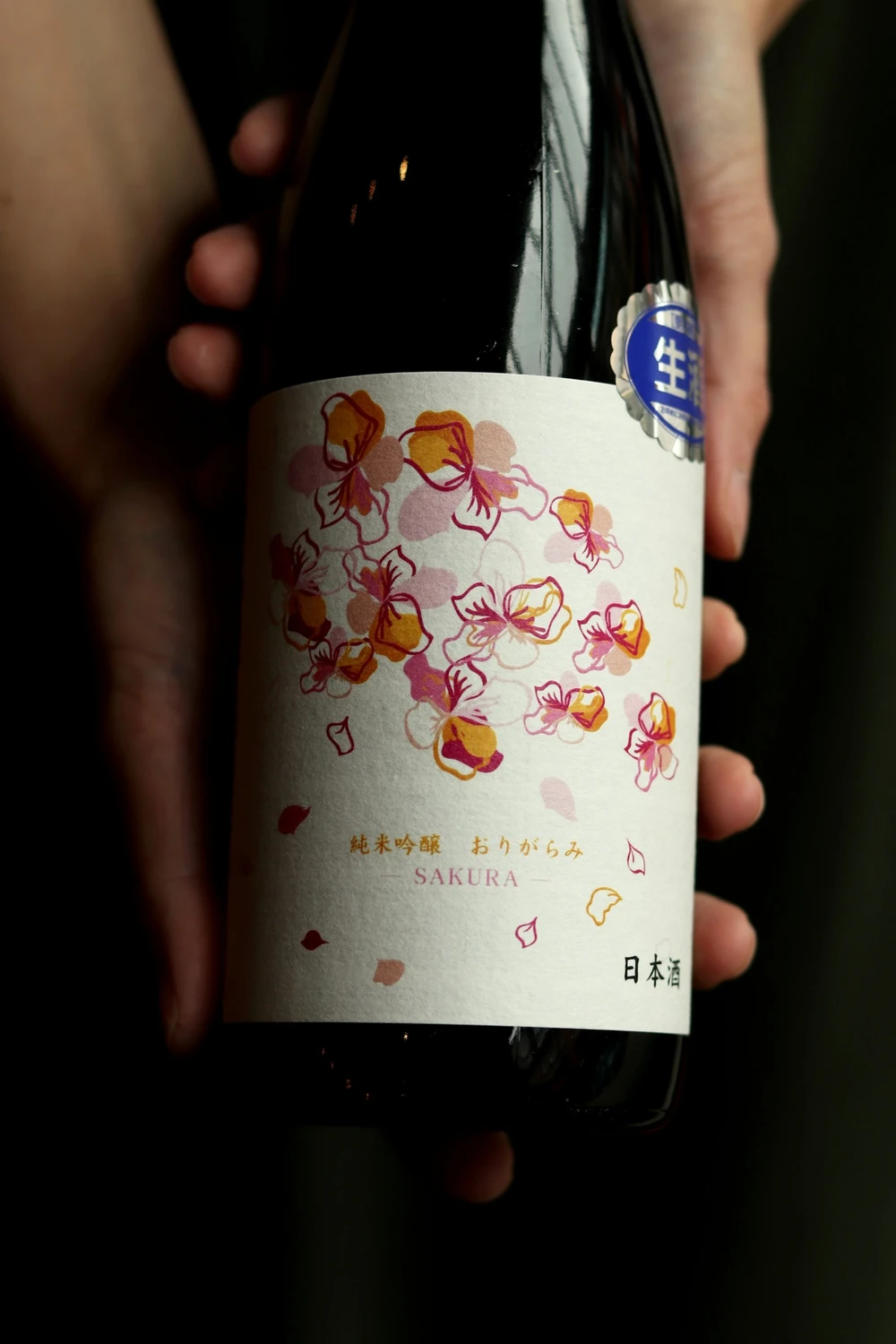
Sakura sake bottle close up - unsplash
Questions we get asked about sake with sushi
Should you choose sake before or after choosing sushi?
Choose the sushi first, then match the sake to the strongest flavours on the table. A drink chosen after the food has a much better chance of fitting the meal.
Can one carafe work across a mixed sushi order?
Yes, if the order has a clear centre of gravity. For a table with clean fish and cucumber maki, keep it light; for salmon, prawn and sauced rolls, go fuller or drier.
Does sake still make sense if we are also ordering gyoza?
Yes, especially with a shared meal. Pick the sake for the sushi and the richer plates together, so the drink does not feel thin beside the food.
What if someone at the table does not drink alcohol?
The meal still works. Alcohol-free drinks can sit beside sushi and small plates without turning the table into two separate experiences.
Is a fruity sake too sweet for sushi?
A light fruity sake can work well with cucumber, avocado and delicate rolls. The key is keeping the flavour fresh, so it supports the sushi instead of covering it.